Preventing GLP-1 weight regain is the biggest concern for people who’ve reached their goal weight. Stopping GLP-1 weight regain requires understanding both the science and practical strategies. You work hard to lose those pounds. Now you wonder if stopping medication means gaining it all back. Research shows that 50-70% of patients regain some weight within the first year. This causes real worry about what happens after you stop Ozempic or similar drugs.
However, weight regain isn’t inevitable. Your success depends on understanding why it happens and what you can do. This guide explains the science behind weight changes after GLP-1. You’ll learn what to expect during the transition period. We’ll show you proven strategies to maintain your results through nutrition and fitness.
You’ll discover how to create a sustainable maintenance plan that works. We’ll cover when continuing treatment makes sense for your situation. Real patient stories show how others beat this problem. By the end, you’ll have a clear roadmap for preventing weight regain and keeping your hard-earned results.
Understanding Stopping GLP-1 Weight Regain: The Science Behind It
To understand stopping GLP-1 weight regain, you need to know how these drugs work. When you stop treatment, your body goes through significant changes. These shifts affect your appetite, metabolism, and weight.
How GLP-1 Receptor Agonists Affect Your Metabolism
GLP-1 medications work by slowing gastric emptying and reducing glucagon release, which helps you feel fuller longer after eating. They also signal brain regions that control appetite, influencing neurotransmitter release to regulate hunger and energy expenditure. Additionally, GLP-1 receptor agonists enhance glucose-dependent insulin secretion from the pancreas, which helps lower blood glucose levels and improve glycemic control.
However, these effects don’t last after you stop. Semaglutide has a half-life of approximately 7 days, meaning complete elimination takes roughly 5 weeks after your last dose. As the medication clears, your body gradually returns to its previous hunger and satiety patterns.
Weight regain after stopping GLP-1 medications occurs due to the loss of appetite and satiety regulation, compounded by metabolic adaptations that include increased hunger, a reduced resting metabolic rate, and lower total energy expenditure. According to a 2025 systematic review and meta-analysis published in eClinicalMedicine, discontinuation of GLP-1 therapy in people with obesity resulted in an average body weight gain of 5.63 kg, with greater regain observed with longer follow-up periods beyond 26 weeks. This means adjusting your calorie intake and building sustainable habits before stopping becomes especially important.
Hormonal Changes When Treatment Ends
Your hunger hormone ghrelin bounces back quickly after you stop, returning to pre-treatment amounts within 3-4 weeks. This sends stronger hunger signals to your brain.
What happens after stopping Ozempic includes feeling hungrier, which makes it harder to keep weight off. Your body tries to restore lost weight. This body response makes it harder to maintain your weight after semaglutide.
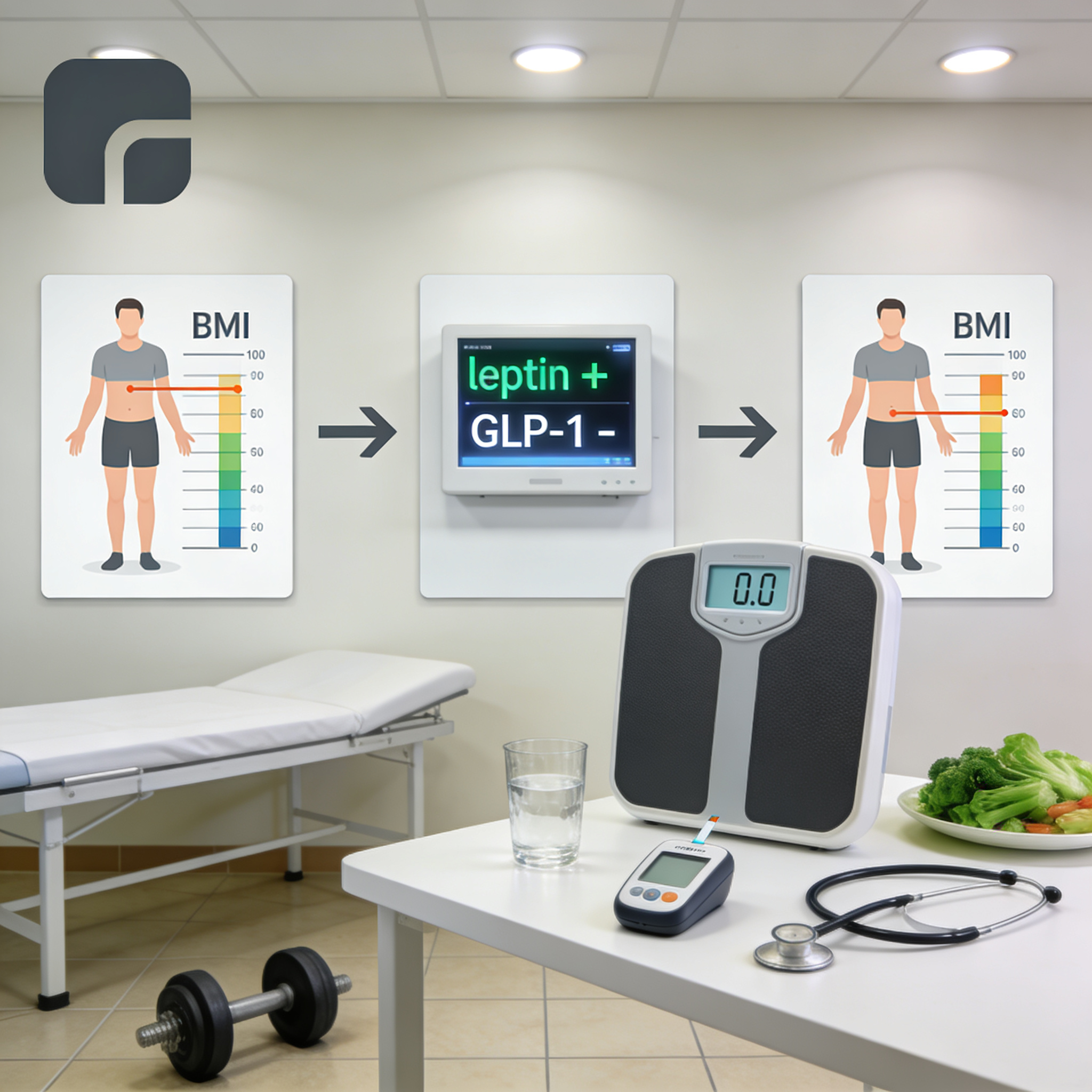
Leptin, your satiety hormone, also changes. During treatment, your body became better at reading hunger signals. After you stop, this benefit slowly fades away.
-
-
Ghrelin levels increase to baseline within 3-4 weeks of treatment discontinuation, appetite signals strengthen significantly during this period, leptin sensitivity decreases progressively over time, and insulin response returns to baseline levels.
-
Timeline of Physical Changes After Discontinuation
The first two weeks bring noticeable changes. Gastric emptying speeds up to normal rates. You’ll feel hungry more often.
By week three, your appetite comes back to normal. Many patients feel stronger cravings. This is when weight regain starts.
Months one through three are critical. Your body fights weight loss by slowing down your metabolism. This time sets up your long-term success.
|
Timeframe |
Physical Changes |
Action Needed |
|---|---|---|
|
Week 1-2 |
As the medication leaves your system, your appetite increases. |
Track your food intake consistently to identify patterns. |
|
Week 3-4 |
Ghrelin rebounds, hunger peaks |
Use proven strategies to manage your appetite during the transition period. |
|
Month 2-6 |
Your metabolic rate adjusts and your body’s set point resists weight loss during this period. |
Establish new eating and exercise habits. |
The Role of Leptin and Insulin Sensitivity
Leptin tells your brain when you’re full. During GLP-1 treatment, your body reads hunger signals better. Your body responds better to satiety signals.
After you stop, this slowly gets worse. You need more food to feel satisfied. This contributes to weight regain.
Insulin sensitivity also changes. GLP-1 medications improve how cells respond to insulin. This benefit lasts longer than the appetite effects.
The body’s set point theory explains resistance to weight loss. Your metabolism defends a certain weight range. Stopping GLP-1 weight regain requires resetting this point through steady habits that become automatic over time.
Research shows that people who kept weight off made habit changes during treatment. They didn’t rely on the drug alone. They built lasting routines during treatment rather than after.
What to Expect: Common Experiences After Discontinuing GLP-1 Treatment
Weight regain becomes a real concern once you stop GLP-1 treatment. Your body goes through big changes during this transition. Knowing these changes helps you prepare and handle them better.
At Minimal, our Care Team guides patients through this transition. We give personal support and help you handle the physical and emotional shifts that come with stopping weight loss medication.
Physical Symptoms During the Transition Period
Your body needs time to adjust after stopping GLP-1 treatment. Your energy levels shift as your hormones rebalance. This process takes about 2-8 weeks for most people.
Then you’ll notice changes in your digestion. Your stomach empties faster without the medication. This can cause discomfort or more frequent hunger throughout the day.
Clinical data shows slow tapering works better than stopping suddenly. Reducing your dose over 4-8 weeks leads to 30% less weight regain at six months. This approach gives your body time to adapt slowly.
Appetite and Hunger Pattern Changes
Most patients notice increased appetite within 1-3 weeks of stopping. Hunger cues return to pre-treatment intensity by week 4-6. This shift can feel dramatic after months of appetite suppression.
Food cravings may get stronger for a while during this time. Brain pathways readjust when GLP-1 receptor stimulation stops. Your brain needs time to recalibrate its reward system.
Stopping Ozempic makes you hungrier, which makes it harder to keep weight off. Your body tries to gain back the lost weight. You’ll need to distinguish between true hunger and habit-based eating. This skill becomes key for weight maintenance after semaglutide.
-
-
Your hunger signals return gradually over 4-6 weeks.
-
Cravings peak during weeks 2-4 then stabilize.
-
Social eating feels harder without the drug to curb your appetite.
-
Food thoughts become more frequent as medication effects fade.
-
Realistic Weight Fluctuation Expectations
Expect 2-5 pounds of initial water weight gain. This happens as glycogen stores replenish in your muscles and liver. Inflammation markers also go back to normal during this time.
This early weight gain doesn’t mean you’ve failed. It’s a natural body response to stopping GLP-1. Your body simply restores normal fluid balance.
Weight regain after Wegovy or other GLP-1 medications varies by person. Post-GLP-1 plans make the biggest difference in long-term results. Build lasting health habits that go beyond just tracking your weight.
Emotional and Psychological Adjustments
Mental adjustments often prove harder than physical ones. You may feel anxious about regaining weight. Some people feel they need their drug to cope.
Managing food thoughts becomes a daily practice. You’ll need to relearn hunger and fullness cues without medication help. This process takes patience and being kind to yourself.
Life after GLP-1 treatment needs new coping strategies. Build a support system before you stop. Consider working with a coach who knows how to keep weight off. Choose one who understands tirzepatide or other medications.
-
-
Anxiety about weight regain peaks in weeks 2-6.
-
You may need to actively rebuild your relationship with food.
-
Emotional eating can come back.
-
Expert support helps you succeed long-term.
-
Evidence-Based Strategies for Stopping GLP-1 Weight Regain
To prevent GLP-1 weight regain, you need a full plan. It must cover many lifestyle areas. Your body goes through big changes during treatment. These changes need ongoing support after you stop medication.
Success depends on having strategies before you discontinue therapy. This preparation helps your body adapt to functioning without medication help. Stopping GLP-1 weight regain requires implementing these evidence-based approaches consistently.
Nutrition Protocols for Post-GLP-1 Maintenance
Protein becomes your most important food after you stop weight loss drugs. You need 1.2-1.6g per kg of body weight daily. This keeps your muscle mass and supports natural fullness signals.
Foods high in fiber help keep you full. They work like GLP-1 drugs naturally. Target 25-35g of fiber daily through vegetables, fruits, and whole grains. Fiber slows digestion and makes you feel full.
Eating meals at set times helps control hunger naturally. Plan three meals and one to two snacks each day. This pattern keeps your hunger hormones steady without drugs.
Hydration plays a critical role in metabolic function. You should drink 64-100oz of water daily. This helps you distinguish true hunger from thirst signals.
Exercise and Movement Strategies That Work
You must do strength training after stopping semaglutide; it’s key to keeping weight off. Train three to four times weekly with weights or resistance bands. Lean muscle burns three times more calories than fat tissue.
Your metabolism depends heavily on keeping your muscle. Each pound of muscle you keep helps long-term weight stability. This makes strength training more important than cardio alone.
Movement throughout the day matters as much as structured workouts. Take walking breaks every hour. Park farther away and take stairs when possible.
Behavioral and Lifestyle Modifications for Long-Term Success
Mindful eating helps you learn hunger cues again. The drug had blocked these signals. Use a hunger scale from one to ten before eating. Only eat when you reach a four or five.
Weekly weigh-ins provide early warning signs of regain. Track your weight and body measurements regularly. You can stop big weight gain before it starts.
At Minimal, our Care Team helps you stop GLP-1 drugs safely. We make a plan just for you. We focus on lasting habits that support what happens after stopping Ozempic or other treatments.
Work with experts who know about life after GLP-1 drugs. They can help you keep weight off. Dietitians and trainers can make plans for you. These plans fit your needs. They know how to help your body’s unique needs.
The Role of Sleep and Stress Management
Sleep quality directly impacts hunger hormones and weight maintenance. Research from the Wisconsin Sleep Cohort Study found that people who consistently slept five hours or less had about 14.9% higher ghrelin levels and 15.5% lower leptin levels compared to those who slept eight hours, a hormonal shift that drives increased hunger and cravings. Aim for seven to nine hours of quality sleep nightly. A consistent bedtime routine and a dark, cool sleeping environment help your body regulate these hunger signals more effectively.
Managing stress is equally important for weight maintenance. Elevated cortisol levels are closely linked to the accumulation of visceral adipose tissue, the fat that surrounds your internal organs, which increases the risk for cardiovascular disease, type 2 diabetes, and some cancers. That said, research suggests it is prolonged exposure to cortisol, rather than acute stress responses, that is more likely to influence fat storage and distribution.
Try these stress-reduction techniques:
- Daily meditation or deep breathing exercises for 10–15 minutes
- Yoga or gentle stretching to reduce physical tension
- Therapy or counseling to address emotional eating triggers
- Regular nature walks or outdoor activities
Building Your Support System
Having a partner boosts your success by 40%, helping you keep weight off long-term. Find someone who understands your weight goals. Share weekly check-ins about challenges and wins.
Support groups give you a community. You can share your story with others. Look for groups focused on keeping weight off after GLP-1 treatment. Online groups are easy to access. They give you many different views.
Coaching programs give you clear steps. They also give you expert help. Coaches help you handle obstacles and adjust your plans. This support keeps you from feeling alone. It helps during your weight loss journey.
Your support team should cheer for all wins, not just the number on the scale. Focus on energy levels, clothing fit, and health improvements. These markers matter as much as the number on your scale.
Creating Your Personalized Maintenance Plan
Success in stopping GLP-1 weight regain starts with a solid plan. You can’t just stop medication and hope for the best. A clear plan protects your progress. It also builds lasting habits.
Pre-Discontinuation Planning Steps
Start planning 4-6 weeks before you stop your medication. This timeline gives you space to prepare mentally and logistically. Your body needs time to adjust to changes.
Then, schedule a detailed visit with your healthcare provider. They’ll help you create a tapering schedule if needed. This talk should cover your specific health markers and goals.
Next, write down your current lifestyle patterns. Write down what works well for you now. This baseline helps you see which habits depend on medication versus your own efforts.
Tracking Systems That Support Success
Start tracking everything before you stop treatment. Record your weight, body measurements, and energy levels weekly. These metrics show patterns you might otherwise miss.
Don’t stop at physical measurements. Track your hunger patterns throughout the day. Note when cravings hit and what triggers them. This data is key for weight maintenance after semaglutide.
Track the following:
-
-
Morning and evening weight checks (same time daily)
-
Weekly body measurements (waist, hips, chest)
-
Daily hunger and fullness ratings (1-10 scale)
-
Food intake with portion sizes and timing
-
Energy levels and sleep quality
-
Building Sustainable Daily Routines
Create daily habits you won’t skip. These routines must work without medication support. Focus on foods rich in protein and fiber. They naturally make you feel full.
For example, commit to eating 30 grams of protein at breakfast. This habit reduces hunger throughout the day. It doesn’t depend on GLP-1 discontinuation effects to work.
Meal planning becomes your strongest tool. Make meals with lots of protein ahead of time. Stock your kitchen with foods that support your goals. Remove items that trigger overeating.
Preparing for Challenges and Setbacks
Finally, identify your specific triggers before they become problems. What situations lead you to overeat? Write down each trigger with a concrete coping strategy.
This means planning for holidays, travel, and stress. Build flexibility into your approach. A 3-5 pound weight fluctuation is normal and healthy. Don’t panic over small changes.
-
-
Schedule monthly check-ins with your healthcare team
-
Create backup meal options for busy days
-
Learn to manage stress without food
-
Make a plan before you eat at restaurants
-
Set a weight range you can keep
-
This preparation helps you handle life after GLP-1 with confidence. Your plan adapts to life changes without derailing progress. That’s how you keep weight off after tirzepatide or any GLP-1 treatment.
When to Consider Continuing or Resuming GLP-1 Treatment
Stopping GLP-1 treatment doesn’t mean you must stay off medication permanently. Some people need ongoing treatment to maintain their results. Know when to keep going or start again. This helps you choose wisely.
Medical Indications for Long-Term GLP-1 Therapy
Clinical guidelines now treat obesity as a chronic condition. This means long-term management may be necessary for lasting results.
You might benefit from continued GLP-1 therapy if you have:
-
-
BMI over 30, or BMI over 27 with health conditions
-
Type 2 diabetes that needs constant blood sugar control
-
Past weight gain after trying to lose weight before
-
Body conditions that get better with GLP-1 treatment
-
Talk to your doctor if you regain more than 5% of lost weight within three months. This shows your body may need medicine even with healthy habits.
Maintenance Dosing Strategies and Options
Lower doses can stop weight regain. This works after you stop full treatment. Maintenance therapy uses smaller doses to keep your results.
Common maintenance approaches include:
-
-
Semaglutide at 0.25-0.5mg weekly instead of 1-2.4mg
-
Tirzepatide at lower doses for weight stability
-
Spacing out doses more and taking breaks from the medication
-
Cycling doses looks good in early studies. These cycles switch between treatment times and breaks. However, long-term data on this approach remains limited.
Your provider can adjust your GLP-1 maintenance dose based on results. This custom approach helps a lot. It balances results with side effects.
Alternative Medications and Combination Approaches
Mixing medications can cut costs, and you still keep the benefits. Lower GLP-1 doses paired with other treatments often work well.
Effective combination strategies include:
-
-
Lower-dose GLP-1 with metformin to help your metabolism
-
Switching between GLP-1 and other weight medications
-
Adding medications that treat specific health issues
-
These methods may cause fewer side effects than high-dose single medications. They also cost less for long-term maintenance.
Cost Considerations and Access Options
Long-term medication costs add up quickly. Cheap options make long-term treatment possible.
Services like Join Minimal offer mixed semaglutide and tirzepatide. These budget-friendly options don’t need insurance. They include full care team support.
Think about these factors when you look at costs:
-
-
Monthly drug costs versus intensive lifestyle program fees
-
Possible savings from stopping weight-related health problems
-
Access to personal coaching and nutrition help
-
Free delivery and constant medical care
-
Talk about the cost versus benefits with your provider. Compare long-term drugs against other options. Think about your own situation. Some people find maintenance doses help a lot. They prevent the body changes that cause weight regain. This works after Wegovy or other GLP-1 treatments.
Real Patient Experiences: Success Stories and Lessons Learned
Real patient stories make things clearer. You can see what happens after stopping Ozempic. These stories show practical strategies. They help with stopping GLP-1 weight regain after treatment ends.
Success Stories: What Worked
Some patients kept their weight off for over 12 months. They shared common habits. They built lasting routines during treatment, not after.
One patient started meal prepping three months into treatment. She kept doing this after stopping GLP-1 medication. Her weight stayed stable for 18 months.
Another patient joined a walking group while on medication. The accountability kept him active after treatment ended. He maintained 85% of his weight loss.
Key habits among successful people include:
-
-
Daily food tracking for at least six months post-treatment
-
Weekly weigh-ins to catch small gains early
-
Keep working with dietitians or coaches
-
Regular exercise routines started during treatment
-
Learning from Setbacks
Some patients gained weight back. They found key mistakes they made. Most stopped their support systems too fast after treatment.
Several patients said they didn’t work on emotional eating during treatment. When medication ended, old habits came back. They regained 40-60% of lost weight within six months.
Others set goals that were too high. They didn’t know how much effort was needed. They assumed weight would stay off automatically. This mindset led to gradual regain.
Key Takeaways from Patient Experiences
Different people need different approaches. This helps with stopping GLP-1 weight regain. Structured persons thrived with detailed meal plans. Flexible types liked general guidelines.
Community support was key for all personality types. Patients in support groups kept weight off better than those alone.
Critical lessons learned:
-
-
Start maintenance habits during treatment, not after
-
Work on emotional eating while you’re on the medication
-
Keep working with a professional for 6-12 months after treatment
-
Build accountability through groups or coaching
-
Professional guidance helps customize post-GLP-1 maintenance strategies to individual needs and lifestyles.
Conclusion
Stopping GLP-1 weight regain isn’t inevitable when you plan ahead. You’ve learned how these medications work and what happens when you stop. You’ve learned proven ways for nutrition, exercise, and support systems. You’ve seen how to build a maintenance plan that fits your life.
First, focus on the habits you built during treatment. Then, monitor your progress closely in those critical first six months. Remember that some weight fluctuation is normal. But steady effort with proven strategies makes long-term success possible.
Your journey doesn’t end when you stop medication. It shifts to a new phase where you take control. The science shows you need ongoing commitment. This helps you keep weight off after semaglutide. But you’re not alone in this transition.
If you need support with post-GLP-1 maintenance strategies, Minimal’s Care Team can help. We offer custom plans with nutrition coaching and fitness guidance. Our doctors create full plans that fit your needs. Schedule a consultation to build your custom maintenance plan today.
You’ve done the hard work to lose weight. Now you can keep it off for good with the right approach to stopping GLP-1 weight regain.
Frequently Asked Questions
What happens to my appetite after stopping GLP-1 medications?
Your appetite returns to normal within weeks of stopping GLP-1. Weight regain becomes a concern. Hunger signals increase as the medication leaves your system. You’ll notice stronger cravings and more frequent thoughts about food. This happens because GLP-1 medications suppress natural hunger hormones. Without the medication, these hormones go back to normal. Planning meals ahead helps you manage these changes better.
How much weight do people typically regain after stopping semaglutide?
Weight regain varies widely among persons after stopping weight loss medication. Some people regain two-thirds of lost weight within a year. Others keep their results with the right lifestyle changes. Your success depends on habits you build during treatment. You need ongoing effort with diet and exercise. This keeps weight off after semaglutide. People who build good habits before stopping keep weight off longer.
Can I restart GLP-1 treatment if I regain weight?
Yes, you can restart GLP-1 treatment after weight regain occurs. Many people use these medications long-term to maintain weight. Your doctor can help you decide if resuming therapy makes sense. Some patients do better with a lower dose instead of stopping. This approach helps prevent weight regain after Wegovy or other treatments. Talk with your care team about ongoing options that fit your needs.
What’s the best way to prevent weight regain after stopping tirzepatide?
Stopping GLP-1 weight regain requires a multi-part strategy. Start before you stop treatment. Start by building good eating habits while still on medication. Add regular strength training to keep muscle and boost metabolism. Track your food intake to stay aware of portion sizes. Work with a care team to create a personalized maintenance plan. These post-GLP-1 plans work best when you start them early. Slowly lowering your dose helps your body adjust more easily.
How long does it take for metabolism to return to normal after GLP-1?
Your metabolism starts changing within weeks of stopping GLP-1 medications. Full adjustment takes several months as your body adapts. When you stop GLP-1, your body burns fewer calories. You also feel hungrier. Your metabolic rate may not return to pre-weight-loss levels. This happens because your body fights against weight loss naturally. Building muscle through strength training helps fight these changes. It also helps you keep weight off long-term.
Should I taper off GLP-1 medications or stop suddenly?
Tapering off GLP-1 medications helps your body adjust more gradually. This approach reduces the shock of sudden appetite changes. Work with your doctor to create a step-down schedule. You might reduce your dose over several weeks or months. This method gives you time to strengthen lifestyle habits. Keeping weight off after GLP-1 becomes easier with a gradual transition. Your care team can monitor your progress and adjust the plan as needed.
What role does exercise play in maintaining weight after stopping Ozempic?
Exercise becomes crucial for life after GLP-1 treatment ends. Strength training keeps muscle mass you lost during weight loss. More muscle means higher metabolism and easier weight control. Aim for at least 150 minutes of activity weekly. Mix cardio with resistance training for best results. What happens after stopping Ozempic depends a lot on your activity level. Regular movement helps control appetite. It also helps you manage weight long-term.