GLP-1 drugs like Semaglutide and Tirzepatide help you lose a lot of weight. However, up to 40% of that weight loss can be muscle mass if you’re not careful. This muscle loss on GLP-1 slows your metabolism. It also reduces your strength and energy levels.
The problem isn’t the medication itself. GLP-1 drugs cut appetite so well that users can’t eat enough protein. They also skip strength training while on GLP-1 treatment. This mix causes fast muscle loss along with fat loss. Your body can’t tell the difference between planned weight loss and starvation.
You can keep muscle during GLP-1 treatment. Use three simple steps: eat enough protein, do strength training, and track your progress.
First, let’s explore why muscle loss on GLP-1 happens and what makes certain users more vulnerable.
Why Muscle Loss on GLP-1 Medications Happens
GLP-1 drugs cut your appetite. This means you might not eat enough protein.
Research shows you need 0.7-1g of protein per pound of body weight. Most GLP-1 users don’t get enough protein. This causes muscle breakdown.
The Appetite Suppression Challenge
GLP-1 drugs reduce your appetite. You feel full early. This makes it hard to eat enough food.
Insufficient protein intake among GLP-1 users impairs muscle retention, as the body catabolizes muscle tissue to obtain necessary amino acids, a process exacerbated by rapid weight loss.
Caloric Deficit and Protein Inadequacy
Rapid weight loss increases muscle loss in GLP-1 users significantly. Studies show 25-40% of weight lost can be lean mass. Muscle loss occurs when weight loss exceeds 1-2 pounds weekly.
The body requires daily essential amino acids. When you don’t eat enough protein, your body breaks down muscle. It does this to get amino acids.
Metabolic Adaptation During Rapid Weight Loss
During caloric restriction, the body prioritizes energy conservation by reducing muscle maintenance, as lean tissue is metabolically expensive to sustain.
You need strength training to keep muscle. Without it, your body breaks down muscle. Muscle costs a lot of energy to keep.
Your body breaks down muscle because it costs energy. Strength training tells your body to keep the muscle.
Protein Requirements: How Much You Really Need on GLP-1
Getting enough protein is key to stopping muscle loss on GLP-1. Your body needs protein to keep lean mass.
Calculating Your Personal Protein Target
Target 0.8-1.2g of protein per pound of ideal body weight. This differs from your current weight. For example, if your goal weight is 150 pounds, you need 120-180g of protein.
Choose the higher end if you do intensive strength training. Active people need more protein to help muscles recover. Those doing moderate exercise can aim for the middle range. Understanding how to prevent muscle loss that semaglutide causes requires careful attention to protein intake on GLP-1 therapy.
Our Care Team at Minimal helps you find your protein goals. They adjust recommendations based on your activity level and weight loss goals.
Best Protein Sources When Appetite Is Suppressed
Understanding muscle loss on GLP-1 depends on choosing the right foods. Complete proteins work best:
-
Lean meats like chicken and turkey
-
Fish and seafood
-
Eggs and egg whites
-
Greek yogurt and cottage cheese
-
Protein supplements and shakes
Protein supplements can help meet daily targets during periods of reduced appetite; powdered options can be mixed with water or milk for convenience.
Timing and Distribution Throughout the Day
Distribute protein across 3-4 meals with 25-40g per serving. This helps build muscle continuously. Your body can’t store excess protein for later use.
Front-load protein early in meals when appetite is strongest. Eat your protein first, then vegetables and carbs. This ensures you hit your targets before feeling full.
Track your protein intake closely for the first three months. Appetite suppression is most intense during this period. Use apps or journals to monitor daily consumption.
Strength Training Protocols to Preserve Muscle Mass
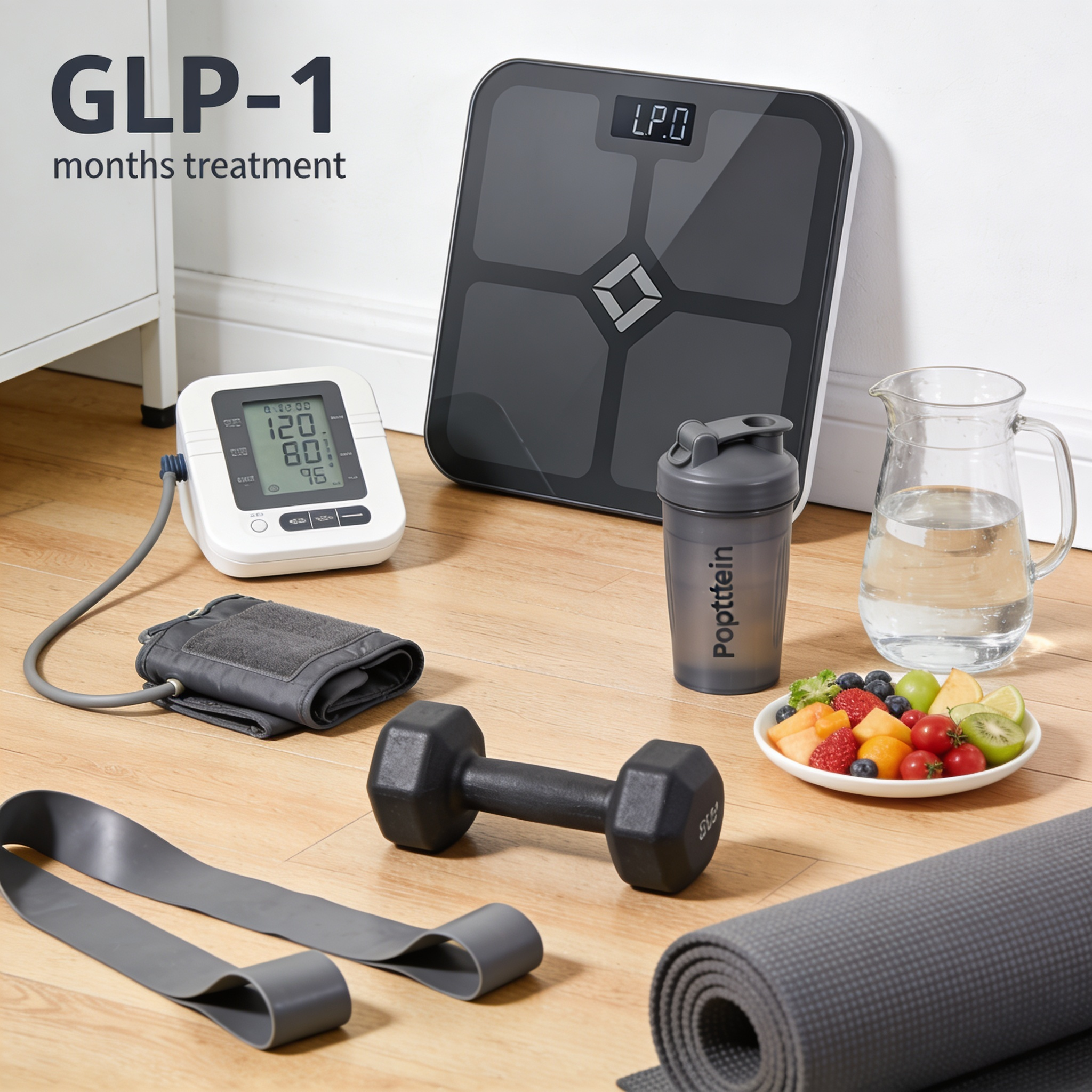
Strength training is the best way to keep muscle during GLP-1 treatment. It tells your body to keep lean tissue.
Minimum Effective Dose for Muscle Preservation
You need at least two to three resistance training sessions each week. This schedule works all major muscle groups well. Skipping sessions tells your body it doesn’t need that muscle.
Maintain consistent workout intensity and frequency; prioritize exercise quality and proper form over duration, and avoid erratic training patterns during caloric restriction.
Exercise Selection and Progressive Overload
Big movements give the best signal to build muscle. These exercises work multiple muscle groups at once. Your body responds by protecting more muscle tissue.
-
Squats work your legs, glutes, and core at once.
-
Deadlifts work your entire back side.
-
Bench presses build chest, shoulders, and triceps.
-
Rows strengthen back and biceps together.
Keep lifting heavy relative to your capacity. Weight on the bar matters more than total sets. This signals your body to maintain muscle despite the deficit.
You need to keep adding weight or reps. This helps prevent muscle loss on GLP-1 treatment. Increase gradually over time. Small gains add up to big results.
Recovery Considerations on Reduced Calories
You recover slower on fewer calories, so allow 48-72 hours between training the same muscles. This stops overtraining. It also keeps lean muscle during weight loss.
Minimal fitness coaches make custom strength plans. They match your treatment phase. Expert help lets you balance hard workouts with rest needs.
Warning Signs of Muscle Loss and What to Monitor
Recognizing muscle loss on GLP-1 helps you protect your gains. Your body sends clear signals when you’re losing lean mass. Track these indicators weekly to catch problems before they worsen.
Physical and Performance Indicators
Declining strength is an early indicator of muscle loss. If you lifted 50 pounds last month but struggle with 40 today, you’re likely losing muscle. Track your lifts weekly in a simple notebook — write down weights and reps for three key exercises. This data reveals trends faster than the mirror.
Daily tasks also become harder when muscle depletes. Opening jars, carrying groceries, or climbing stairs feels more difficult than it used to. Fatigue during normal activities may be an early signal worth paying attention to.
Body Composition Tracking Methods
Body scans give you real data on muscle mass. DEXA (dual-energy X-ray absorptiometry) is the gold standard test for accurate measurement of body fat and lean mass, offering far more detail than a bathroom scale. InBody machines and other bioimpedance devices work as a more accessible alternative, though with slightly less precision.
Testing every 3–6 months is a practical tracking cadence under standardized conditions. Don’t rely on your bathroom scale alone, as weight loss doesn’t tell you what you’re actually losing.
Healthcare professionals recommend a weekly weight loss target of 1 to 2 pounds, as losing more than that is generally considered too fast and may increase your risk of muscle loss, nutritional deficiencies, and a drop in metabolism.
When to Adjust Your Approach
If muscle loss appears, take immediate action. According to research presented at the Endocrine Society’s 2025 annual meeting, higher protein intake may be the key to avoiding muscle loss in people losing weight with GLP-1 medications, with older adults and women at particular risk. Many experts recommend 1.2 to 1.6 grams of protein per kilogram of body weight per day, meaningfully higher than the standard dietary baseline. This should be combined with aerobic activity and structured resistance training, with protein distributed evenly across meals.
Consider consulting your doctor about lowering your GLP-1 dose. Regular check-ins with Join Minimal’s Care Team and catch muscle loss early.
Conclusion
To prevent muscle loss on GLP-1, follow three proven strategies. First, eat enough protein every day. Second, lift weights at least twice per week. Third, track your strength and body composition regularly. These steps protect your muscle while you lose fat.
GLP-1 drugs like Semaglutide and Tirzepatide help you lose a lot of weight. However, they can reduce your appetite so much that you don’t eat enough protein. This leads to muscle loss alongside fat loss. The solution is simple: prioritize protein intake and commit to consistent strength training.
Your body composition matters more than the number on the scale. Losing weight means nothing if you lose muscle too. Strong muscles keep your metabolism high and your body functional. They help you maintain your weight loss long-term.
Minimal pairs doctor-approved GLP-1 drugs with custom fitness plans. You also get nutrition coaching. Our Care Team guides you through every step of your journey. We help you lose fat while preserving lean muscle. Start your transformation today with expert help. We’ll help you build results that last.
Frequently Asked Questions
How much muscle loss on GLP-1 is normal during treatment?
Some muscle loss on GLP-1 happens naturally during weight loss. However, you can minimize it with proper protein intake and strength training. Most people lose 20-30% of their weight from lean mass without intervention. With the right approach, you can reduce this to 10-15%. Focus on eating enough protein and lifting weights at least twice weekly. Your body needs clear signals to preserve lean muscle during GLP-1 therapy.
What protein requirements on Semaglutide should I follow?
You need 0.7-1g of protein per pound of body weight. For a 200-pound person, that means 140-200g of protein. This amount helps prevent muscle loss on GLP-1 medications. Start your day with a protein-rich breakfast. Include protein at every meal. Spread your intake throughout the day for best results. If you can’t eat enough whole foods, protein shakes can help you hit your target.
How often should I do strength training while on GLP-1?
You need at least two strength training sessions per week on GLP-1. Three to four sessions work even better for muscle preservation. Each workout should last 30-45 minutes. Focus on compound movements like squats, deadlifts, and presses. These exercises work multiple muscle groups at once. You won’t need to spend hours in the gym. Short, intense sessions send strong signals to preserve muscle tissue during weight loss.
What are the warning signs of muscle loss on GLP-1?
Watch for declining strength in your workouts. You might notice you can’t lift the same weights. Increased fatigue during daily tasks signals a problem. Your clothes may fit loosely around your arms and legs. You might feel weaker climbing stairs or carrying groceries. Track your body composition weekly, not just your scale weight. These metrics show whether you’re losing fat or muscle. If your strength is dropping significantly, adjust your protein or training immediately.
Can I prevent muscle loss on Tirzepatide completely?
You can minimize muscle loss but not eliminate it entirely. The key is combining high protein intake with regular strength training. This approach helps you lose mostly fat instead of muscle. Your body will still shed some lean mass during weight loss. However, you can keep this to a minimum with the right strategy. Focus on progressive overload in your workouts. Increase weights gradually as you get stronger to maintain muscle tissue. You need to work at it to stop muscle loss on these drugs. Track your progress regularly.
What’s the best way to track body composition during GLP-1 therapy?
Track more than just scale weight during treatment. Measure your waist, hips, arms, and thighs weekly. Take progress photos every two weeks. Use a body composition scale to monitor muscle and fat percentages. Track your strength levels in key exercises. Write down how many reps you can do at specific weights. These numbers show if you’re stopping muscle loss on GLP-1 treatment.
How does GLP-1 and muscle preservation work together?
GLP-1 drugs reduce hunger. As a result, eating enough protein becomes harder. Your body breaks down muscle for energy when protein drops too low. This process makes it difficult to preserve muscle. You need to eat protein even when you don’t feel hungry. Plan your meals around protein sources first. Add other foods second. This plan helps you get enough protein. You can keep lean muscle while you lose fat on weight loss drugs.