Zepbound has emerged as a promising new medication for weight management, offering hope for those beginning their weight loss journey. For millions of Americans struggling with obesity, a condition affecting over 42% of adults in the United States, finding effective, FDA-approved weight loss solutions that actually work has been an ongoing challenge. Traditional approaches combining diet and exercise, while foundational, often fall short of producing the significant, sustained weight loss many individuals need to improve their health outcomes.
This comprehensive guide will walk you through everything you need to know about starting Zepbound for weight loss safely and effectively. Whether you’re just learning about this medication or preparing to discuss it with your healthcare provider, understanding how Zepbound works, what to expect during treatment, and how to maximize your results is essential for making informed decisions about your weight loss journey.
What is Zepbound and How Does it Work?
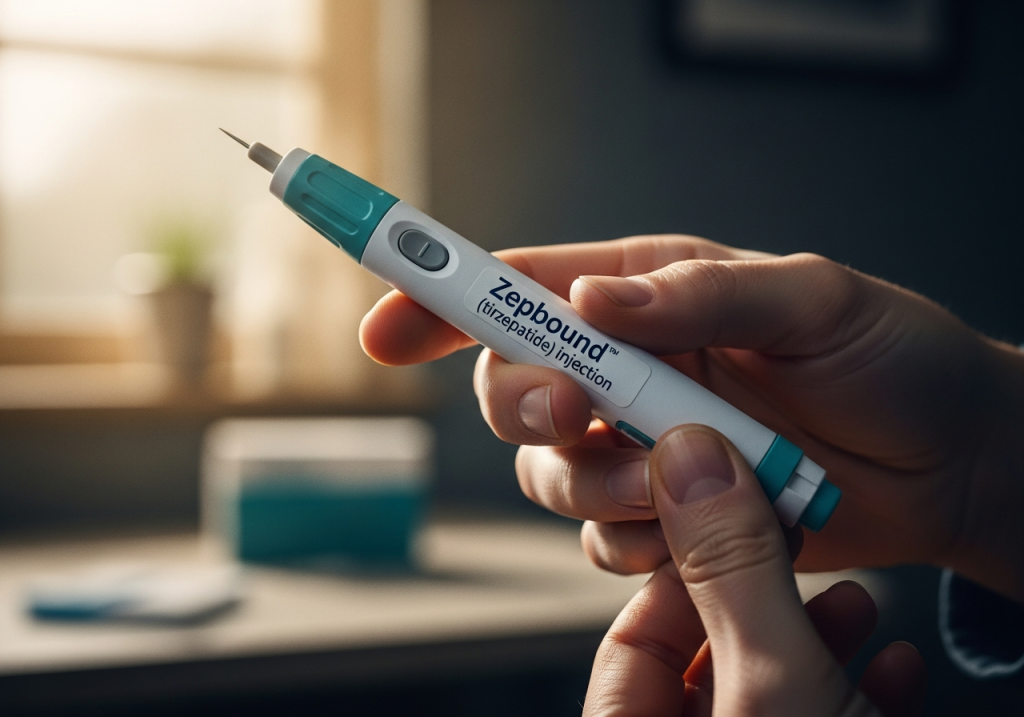
Understanding Zepbound’s Active Ingredient
Zepbound is the brand name for tirzepatide when prescribed specifically for chronic weight management. The medication received FDA approval on November 8, 2023, marking a significant advancement in obesity treatment options. Manufactured by Eli Lilly, Zepbound represents the latest generation of weight loss medications designed to address obesity as the chronic medical condition it truly is.
The active ingredient, tirzepatide, was initially developed and approved in May 2022 under the brand name Mounjaro for treating type 2 diabetes. However, researchers and clinicians quickly observed remarkable weight loss effects in patients using the medication, leading to dedicated clinical trials specifically examining its efficacy for weight management in individuals without diabetes.
The Science Behind Weight Loss with Zepbound
Zepbound works through a unique dual-action mechanism that sets it apart from other weight loss medications currently available. Unlike earlier GLP-1 receptor agonists such as semaglutide (Wegovy), tirzepatide activates two different hormone receptors: glucose-dependent insulinotropic polypeptide (GIP) and glucagon-like peptide-1 (GLP-1). This dual agonist approach provides more comprehensive metabolic effects.
The medication functions by mimicking natural gut hormones that are released after eating. When you take Zepbound, it:
Reduces Appetite and Increases Satiety: By stimulating hypothalamic neurons responsible for feelings of fullness, Zepbound helps you feel satisfied with smaller portions and reduces overall food intake throughout the day.
Slows Gastric Emptying: The medication delays how quickly food leaves your stomach, contributing to prolonged feelings of fullness after meals and reducing the frequency of hunger between eating occasions.
Improves Insulin Sensitivity: Even in individuals without diabetes, Zepbound enhances how your body responds to insulin, helping regulate blood sugar levels and reducing fat storage signals.
Regulates Blood Glucose: By stimulating insulin release in response to elevated blood sugar and suppressing glucagon (a hormone that raises blood sugar), Zepbound helps maintain more stable glucose levels throughout the day.
This multi-faceted approach to weight loss explains why clinical trials have demonstrated superior results compared to single-mechanism medications. The dual-receptor activation creates a more comprehensive metabolic response that addresses multiple pathways involved in weight regulation.
FDA Approval Status and Eligibility
The FDA approved Zepbound for chronic weight management in adults meeting specific criteria. You may be eligible for Zepbound if you have:
- A body mass index (BMI) of 30 or greater (classified as obesity), OR
- A BMI of 27 or greater (classified as overweight) along with at least one weight-related medical condition
Qualifying weight-related conditions include:
- Type 2 diabetes mellitus
- High blood pressure (hypertension)
- High cholesterol levels (dyslipidemia)
- Obstructive sleep apnea
- Cardiovascular disease
- Non-alcoholic fatty liver disease
The FDA’s approval designation recognized obesity as a chronic disease requiring medical intervention rather than simply a lifestyle choice or willpower issue. This approval represents a paradigm shift in how the medical community and healthcare system approach obesity treatment.
Getting Started with Zepbound For Weight loss
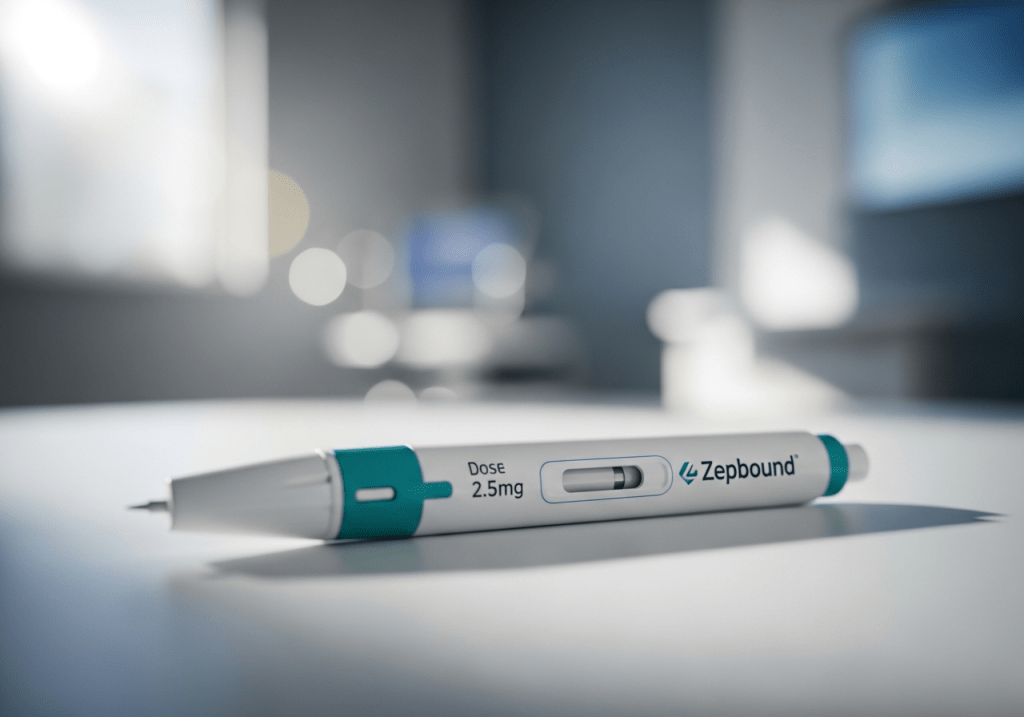
Initial Dosage Guidelines
Zepbound is administered as a once-weekly subcutaneous injection, meaning you inject it under the skin rather than into a muscle or vein. The medication comes in pre-filled, single-dose pens designed for easy self-administration at home.
The dosing schedule follows a gradual escalation approach to minimize side effects and allow your body to adjust to the medication:
Starting Dose: 2.5 mg once weekly for the first four weeks. This initial dose helps your body adapt to the medication and minimizes gastrointestinal side effects.
Dose Escalation: After the initial four-week period, your healthcare provider will typically increase the dose to 5 mg once weekly. Subsequent increases occur every four weeks based on your tolerance and weight loss response.
Maintenance Doses: The therapeutic dose range extends from 5 mg to 15 mg weekly, with many patients achieving optimal results at 10 mg or 15 mg weekly doses.
Maximum Dose: The highest approved dose is 15 mg once weekly, though not all patients need to reach this level to achieve their weight loss goals.
Your healthcare provider will work with you to determine the optimal dose based on your individual response, tolerability, and weight loss progress. Some patients achieve excellent results at lower doses, while others may benefit from titrating up to the maximum dose.
Administration Instructions of Zepbound for Weight Loss
Proper injection technique ensures optimal medication absorption and minimizes discomfort. Follow these steps for Zepbound administration:
Injection Sites: Rotate between three approved injection areas—the abdomen (avoiding a 2-inch radius around the navel), the front of the thighs, or the back of the upper arms. Using different sites each week helps prevent skin irritation and lipodystrophy.
Preparation: Remove the pen from refrigeration 30 minutes before injection to allow it to reach room temperature, which reduces injection discomfort. Inspect the medication through the pen window to ensure it appears clear and colorless without particles.
Injection Process: Clean the injection site with an alcohol swab and allow it to dry completely. Hold the pen at a 90-degree angle to your skin, press firmly, and hold for 5-10 seconds to ensure complete medication delivery. You’ll hear clicks and see indicators confirming successful injection.
Storage: Store unused Zepbound pens in the refrigerator at 36°F to 46°F (2°C to 8°C). Never freeze the medication, and protect it from light by keeping it in the original carton until use.
Scheduling: Choose a day of the week that works consistently with your schedule. Zepbound can be administered at any time of day, with or without meals, giving you flexibility in timing.
What to Expect in the First Month
The initial weeks on Zepbound typically involve adjustment as your body adapts to the medication. Understanding what’s normal during this period helps manage expectations:
Week 1-2: You may notice reduced appetite and smaller portion sizes satisfying your hunger. Some gastrointestinal effects like mild nausea or changes in bowel habits may occur but typically remain manageable. Weight loss during this initial period tends to be modest, often 1-3 pounds.
Week 3-4: Appetite suppression becomes more pronounced, and eating patterns begin shifting naturally toward smaller, more frequent meals. Gastrointestinal side effects often peak during weeks 2-3 but typically begin improving as your body adjusts. Weight loss accelerates slightly, with many patients losing 4-6 pounds total by the end of month one.
Tracking Your Progress: Beyond the scale, monitor non-scale victories including:
- Changes in clothing fit and body measurements
- Improvements in energy levels and mobility
- Better sleep quality
- Reduced cravings for high-calorie foods
- Improvements in blood pressure, blood sugar, or cholesterol levels
Keep a journal documenting your weight, measurements, food intake, physical activity, and how you’re feeling overall. This information proves valuable during follow-up appointments with your healthcare provider and helps identify patterns in your response to the medication.
Potential Side Effects and Safety Considerations

Common Side Effects
Clinical trials have identified several side effects associated with Zepbound use, with most being mild to moderate and decreasing over time:
Gastrointestinal Effects (Most Common):
- Nausea (reported by 20-30% of patients initially)
- Diarrhea (15-20% of patients)
- Vomiting (8-10% of patients)
- Constipation (10-15% of patients)
- Abdominal discomfort or bloating
- Decreased appetite (expected therapeutic effect)
These gastrointestinal symptoms typically emerge within the first few weeks of starting the medication or after dose increases. They generally improve significantly by weeks 4-8 as your body adjusts. Eating smaller, more frequent meals and avoiding high-fat, greasy foods can help minimize these effects.
Other Reported Side Effects:
- Injection site reactions (redness, swelling, or mild discomfort)
- Fatigue or decreased energy during the adjustment period
- Headaches
- Dizziness
- Increased heart rate (typically mild)
Managing Side Effects: Several strategies can help minimize discomfort during the adjustment period:
- Start with smaller meals and eat slowly, chewing thoroughly
- Avoid lying down immediately after eating
- Stay well-hydrated throughout the day
- Choose bland, low-fat foods if experiencing nausea
- Use ginger tea or ginger supplements to ease nausea
- Take the medication at a time when side effects will be less disruptive (e.g., before a non-workday)
Zepbound Reviews: Effectiveness, Side Effects Patient Results 2026
Risk Factors and Contraindications
Zepbound is not appropriate for everyone. Your healthcare provider will screen for contraindications including:
Absolute Contraindications:
- Personal or family history of medullary thyroid carcinoma (MTC)
- Multiple Endocrine Neoplasia syndrome type 2 (MEN 2)
- Known hypersensitivity to tirzepatide or any component of Zepbound
- Current pregnancy or plans to become pregnant within 2 months
Conditions Requiring Caution:
- History of pancreatitis or pancreatic disease
- Severe gastrointestinal disease or gastroparesis
- Diabetic retinopathy (especially in diabetes patients)
- Kidney disease or impaired renal function
- History of gallbladder disease or gallstones
- History of depression or suicidal thoughts
Pregnancy and Breastfeeding: Zepbound is not recommended during pregnancy. If you’re planning to become pregnant, discontinue the medication at least 2 months before attempting conception. Limited data exists regarding Zepbound use during breastfeeding, so discuss risks and benefits thoroughly with your healthcare provider.
When to Contact Your Healthcare Provider
Seek immediate medical attention if you experience:
Severe Symptoms Requiring Emergency Care:
- Severe, persistent abdominal pain (possibly radiating to the back) that could indicate pancreatitis
- Persistent nausea and vomiting preventing you from keeping down fluids
- Symptoms of gallbladder problems (pain in upper right abdomen, fever, yellowing of skin or eyes)
- Signs of thyroid tumors (lump in neck, difficulty swallowing, persistent hoarseness)
- Severe allergic reactions (difficulty breathing, swelling of face/lips/tongue, severe rash)
Symptoms Warranting Prompt Contact:
- Significant changes in vision
- Symptoms of low blood sugar (especially if taking other diabetes medications): shakiness, rapid heartbeat, sweating, confusion
- Persistent diarrhea or vomiting lasting more than 24 hours
- Signs of dehydration (dark urine, dizziness, decreased urination)
- Severe or worsening depression or suicidal thoughts
- Changes in heart rhythm or chest discomfort
Maximizing Your Success with Zepbound

Lifestyle Changes to Support Treatment
Zepbound works most effectively when integrated into a comprehensive weight management approach. The medication creates physiological changes that make healthy behaviors easier to adopt and maintain, but active participation in lifestyle modification remains essential.
Dietary Approaches for Success:
While Zepbound reduces appetite naturally, making intentional food choices optimizes results:
Prioritize Protein: Aim for 25-30 grams of protein per meal to preserve muscle mass during weight loss, promote satiety, and support metabolic health. Good sources include lean meats, fish, eggs, Greek yogurt, legumes, and plant-based proteins.
Emphasize Whole Foods: Focus on minimally processed foods including vegetables, fruits, whole grains, and lean proteins. These nutrient-dense options provide essential vitamins and minerals while supporting overall health.
Manage Portion Sizes: Even with reduced appetite, being mindful of portions helps prevent excessive calorie restriction or inadvertent overeating during periods of increased hunger.
Stay Hydrated: Aim for at least 64 ounces of water daily. Adequate hydration supports metabolism, helps distinguish true hunger from thirst, and minimizes constipation risk.
Limit Problem Foods: Reduce consumption of high-fat, greasy, and heavily processed foods that may exacerbate gastrointestinal side effects. Similarly, limit alcohol consumption, as it provides empty calories and may worsen side effects.
Meal Timing Strategies: Eat smaller, more frequent meals throughout the day rather than forcing large meals when appetite is suppressed. This approach provides steady energy and prevents excessive hunger.
Exercise Guidelines
Physical activity enhances Zepbound’s weight loss effects and provides numerous health benefits beyond the scale:
Starting Gradually: If you’re new to exercise or have been sedentary, begin with low-impact activities and gradually increase intensity and duration. Even 10-15 minutes of daily walking provides meaningful benefits.
Recommended Activity Levels: Aim for:
- 150-300 minutes of moderate-intensity aerobic activity weekly (brisk walking, cycling, swimming)
- 2-3 sessions of resistance training weekly to preserve muscle mass during weight loss
- Daily movement through activities like taking stairs, parking farther away, or stretching breaks
Exercise Considerations on Zepbound: Some patients experience fatigue during the initial adjustment period. Listen to your body, and don’t feel pressured to maintain intense workout schedules if you’re not feeling well. As side effects diminish, gradually increase activity levels.
Resistance Training Importance: Prioritize strength training to maintain lean muscle mass during weight loss. Muscle tissue burns more calories at rest than fat tissue, supporting long-term weight management even after achieving your goal weight.
Progress Monitoring Strategies
Effective tracking helps you recognize patterns, celebrate achievements, and identify areas needing adjustment:
Weekly Weigh-Ins: Weigh yourself once weekly at the same time of day under similar conditions (e.g., Saturday morning before breakfast). Daily weight fluctuations can be discouraging and don’t reflect true fat loss progress.
Body Measurements: Track measurements of waist, hips, chest, arms, and thighs monthly. Many patients lose inches even during periods when the scale temporarily stalls.
Progress Photos: Take full-body photos monthly from the same angles in similar clothing. Visual changes often become apparent before significant scale changes occur.
Health Markers: Monitor improvements in:
- Blood pressure readings
- Blood glucose levels (if diabetic or prediabetic)
- Cholesterol panel results
- Energy levels and sleep quality
- Physical fitness improvements (walking distance, stamina)
Regular Provider Follow-Up: Schedule appointments every 4-12 weeks, especially during the first six months. Your provider will assess weight loss progress, adjust dosing if needed, monitor for side effects, and order relevant laboratory tests.
Cost and Insurance Coverage
Understanding Zepbound Pricing
The financial aspect of Zepbound treatment represents a significant consideration for most patients:
List Price: The manufacturer’s list price for Zepbound is approximately $1,000-$1,400 per month for a one-month supply (four weekly doses), depending on the dose strength. However, most patients don’t pay the full list price.
Competitive Pricing: Notably, Eli Lilly priced Zepbound approximately 20% lower than Wegovy (semaglutide), its main competitor in the weight loss medication market, making it a more accessible option for some patients.
Actual Out-of-Pocket Costs: The amount you actually pay depends on multiple factors including insurance coverage, pharmacy choice, and available assistance programs.
Insurance Coverage Options
Coverage for weight loss medications varies significantly across insurance plans:
Commercial Insurance: Some employer-sponsored and individual marketplace plans cover Zepbound, though many still exclude weight loss medications from their formularies. Coverage often requires:
- Documentation of BMI meeting eligibility criteria
- Evidence of weight-related comorbidities
- Prior authorization from your healthcare provider
- Possible step therapy (trying other weight loss interventions first)
Medicare and Medicaid: As of 2024, traditional Medicare Part D plans are prohibited by law from covering medications prescribed solely for weight loss. However, some Medicare Advantage plans may offer coverage. Medicaid coverage varies by state, with some states providing limited coverage for weight loss medications.
Prior Authorization Process: Most insurers require prior authorization, which involves:
- Your healthcare provider submitting detailed documentation of medical necessity
- Evidence of previous weight loss attempts
- Documentation of weight-related health conditions
- BMI measurements and relevant lab results
- Processing typically takes 3-10 business days
Patient Assistance Programs
Several programs help reduce Zepbound costs for eligible patients:
Pharmacy Shopping: Prices can vary between pharmacies. Check costs at multiple pharmacies, including large chains, independent pharmacies, and mail-order options.
Flexible Spending Accounts (FSA) and Health Savings Accounts (HSA): Zepbound costs may be paid using pre-tax dollars through FSA or HSA accounts if prescribed for weight-related medical conditions, providing tax savings.
Advocacy for Coverage: If your insurance denies coverage:
- Work with your healthcare provider to file an appeal with detailed medical documentation
- Emphasize the cost-effectiveness of weight loss medication compared to treating obesity-related complications
- Contact your employer’s human resources department about adding weight loss medication coverage
Conclusion
Zepbound represents a significant advancement in obesity treatment, offering an effective pharmaceutical tool when combined with comprehensive lifestyle modifications. Clinical trials have demonstrated impressive average weight loss of 18.4% at 72 weeks, with many patients experiencing even greater success when integrating healthy eating patterns, regular physical activity, and behavioral strategies into their weight management approach.
Understanding that obesity is a chronic medical condition requiring ongoing management, rather than a simple lack of willpower, helps frame realistic expectations for treatment. Zepbound addresses the physiological factors that make weight loss and maintenance difficult, including hormonal imbalances, metabolic adaptation, and persistent hunger signals that sabotage traditional diet-and-exercise approaches.
Success with Zepbound requires patience, persistence, and partnership with healthcare providers. The medication works gradually, with most significant weight loss occurring over 6-12 months of consistent use. Managing side effects during the initial adjustment period, adhering to the prescribed dosing schedule, and actively participating in lifestyle modifications all contribute to optimal outcomes
Frequently Asked Questions
How quickly will I see results with Zepbound for weight loss?
Most people begin noticing reduced appetite and initial weight loss within the first 2-4 weeks of starting Zepbound, though individual responses vary considerably. The medication follows a gradual dose escalation schedule, starting at 2.5 mg weekly and increasing every four weeks, which means maximum weight loss effects typically emerge after reaching therapeutic doses (10-15 mg weekly). Clinical trials showed average weight loss of 5-8% by week 20 and 18.4% by week 72, with most significant loss occurring during the first six months of treatment. However, some patients experience more rapid results while others lose weight more gradually. Factors affecting the timeline include starting weight, adherence to lifestyle modifications, genetic factors, and individual metabolic response.
Can I stop taking Zepbound once I reach my goal weight?
Weight management after discontinuing Zepbound remains an important consideration that varies by individual. Clinical research indicates that many patients regain a significant portion of lost weight after stopping GLP-1 medications, with studies showing approximately 11.6% weight regain within one year of discontinuation. This occurs because obesity involves complex metabolic and hormonal factors that persist even after weight loss, including reduced metabolism, increased hunger hormones, and decreased satiety signals.
Do I need to exercise while taking Zepbound?
While Zepbound produces weight loss even without structured exercise programs, incorporating physical activity significantly enhances results and provides numerous health benefits beyond the scale. Clinical trials showing 18.4% average weight loss included lifestyle intervention components incorporating diet and exercise recommendations.