Understanding Alcohol and Semaglutide: An Overview
If you are taking semaglutide for weight loss or type 2 diabetes management, you may have wondered: is it safe to have a drink? Understanding the relationship between alcohol and semaglutide is essential before you reach for that glass of wine at a dinner party or a beer at a social gathering. Semaglutide, sold under brand names such as Ozempic and Wegovy, is a GLP-1 receptor agonist that has transformed the way millions of people manage their weight and blood sugar. While the medication does not carry an FDA label warning specifically about alcohol, the interaction between semaglutide and alcohol use is more nuanced than a simple yes or no answer.
This article explores the semaglutide and alcohol side effects, what the latest science says about combining the two, safe guidelines for semaglutide and alcohol use, and what to do if you experience semaglutide and alcohol nausea. Whether you are just starting your semaglutide journey or are already mid-program, this guide will help you make informed decisions about your lifestyle.
What Is Semaglutide and How Does It Work?
Semaglutide is a glucagon-like peptide-1 (GLP-1) receptor agonist originally developed to treat type 2 diabetes. Today, it is also widely prescribed for weight management. It works by mimicking the GLP-1 hormone naturally released in the gut after eating. When activated, GLP-1 receptors slow down gastric emptying, suppress appetite, stimulate insulin secretion, and reduce glucagon release from the liver, all of which work together to lower blood sugar and promote satiety.
According to Minimal’s compounded semaglutide program, their formulation includes both GLP-1 and Vitamin B6 as active ingredients, is clinically proven to help patients lose 15 to 20 percent of body weight, and requires no insurance. The program pairs the medication with personalized fitness plans, nutrition guidance, and regular check-ins to track progress, making it a truly holistic weight loss approach.
Because semaglutide slows the rate at which food and substances leave the stomach, it directly influences how your body processes alcohol. This is a critical point when evaluating the safety of semaglutide and alcohol use together.
How Alcohol and Semaglutide Interact in the Body
Delayed Gastric Emptying and Stronger Alcohol Effects
One of the most important things to understand about semaglutide and alcohol is the impact on gastric emptying. Semaglutide slows digestion, which means that when you drink while taking the medication, alcohol moves through your digestive system more slowly. The result: even moderate amounts of alcohol can feel significantly stronger than usual. According to Drugs’s semaglutide interaction database, there is a moderate interaction between ethanol (alcohol) and semaglutide. The platform advises that alcohol may affect blood glucose levels in patients with diabetes, with both hypoglycemia and hyperglycemia possible depending on the amount and frequency of drinking.
Blood Sugar Disruption: Hypoglycemia and Hyperglycemia
A key concern with alcohol and semaglutide is blood sugar regulation. Semaglutide stabilizes blood sugar by increasing insulin production and slowing glucagon secretion. Alcohol, on the other hand, disrupts this balance by causing sudden spikes and crashes in blood glucose. The American Diabetes Association has noted that alcohol can increase the risk of hypoglycemia (dangerously low blood sugar) because it affects the liver’s ability to release glucose into the bloodstream. For people taking semaglutide as part of a diabetes management program, this risk is compounded. Symptoms of hypoglycemia include dizziness, confusion, shakiness, and in severe cases, loss of consciousness.
The Drugs.com interaction profile specifically warns that you should avoid using alcohol if your diabetes is not well controlled, if you have high triglycerides, nerve damage (neuropathy), or pancreatitis.
Semaglutide and Alcohol Nausea: A Common Complaint
One of the most frequent reasons people search for information on semaglutide and alcohol nausea is because the combination creates a deeply unpleasant gastrointestinal experience. Semaglutide on its own commonly causes nausea, vomiting, diarrhea, and bloating, especially during the first weeks of treatment and after dose increases. Alcohol independently irritates the stomach lining and slows gastric emptying.
When combined, these two effects are additive. Alcohol can worsen existing nausea, trigger vomiting, and lead to significant abdominal discomfort. If you are already experiencing GI side effects from semaglutide, consuming alcohol is very likely to make them considerably worse. This is especially true if you are in the early weeks of your program when your body is still adjusting to the medication.
Dehydration Risk
Alcohol is a diuretic, meaning it increases urine output and accelerates fluid loss. Semaglutide users who experience vomiting or diarrhea are already at a heightened risk for dehydration. Combining alcohol intake with these pre-existing GI side effects can significantly increase that risk. Dehydration, in turn, can spike blood sugar levels and worsen the very symptoms the medication is trying to manage.
Pancreatitis: A Serious Concern
Semaglutide carries a warning related to pancreatitis (inflammation of the pancreas) based on reports in clinical trials. Chronic alcohol use is one of the most common causes of pancreatitis, responsible for up to 70 percent of chronic pancreatitis cases. This dual risk factor is important to discuss with your doctor if you drink regularly. According to WebMD’s overview on GLP-1 drugs and alcohol, people who drink heavily face an increased risk of pancreatitis, and taking semaglutide adds another layer to that concern.
Ready to Start Your Weight Loss Journey with Semaglutide?Minimal’s compounded semaglutide program pairs doctor-approved GLP-1 medication with personalized coaching, nutrition plans, and ongoing support. See real results like losing up to 20% of your body weight.Check Your Eligibility at Minimal
What Does the Research Say About Semaglutide and Alcohol Use?
Beyond the side effect profile, a fascinating and emerging area of research is looking at semaglutide as a potential treatment for alcohol use disorder (AUD). Several peer-reviewed studies have produced compelling findings.
JAMA Psychiatry Randomized Clinical Trial
A landmark randomized clinical trial published in JAMA Psychiatry found that weekly subcutaneous injections of semaglutide, compared to placebo injections, reduced alcohol craving, drinking episodes, and the number of heavy drinking days in adults diagnosed with alcohol use disorder. The study was led by Dr. Christian Hendershot of the USC Institute for Addiction Science and Dr. Klara Klein of the UNC School of Medicine.
UNC Health Research: Semaglutide Reduces Alcohol Cravings
Building on the JAMA Psychiatry findings, UNC Health researchers published results showing that low-dose semaglutide not only reduced overall alcohol consumption but also decreased cigarette use per day. The research team believes that semaglutide’s action on the brain’s reward pathways (the same pathways involved in addictive behavior) may account for this effect, offering a glimpse into an entirely new therapeutic dimension for GLP-1 drugs.
Nature Communications: Real-World Population Data
A comprehensive real-world study published in Nature Communications analyzed associations between semaglutide use and the incidence and recurrence of alcohol use disorder across a large patient population. The study, which included contributions from researchers such as Nora D. Volkow of the National Institute on Drug Abuse, found that semaglutide was associated with a significantly lower incidence and recurrence of AUD compared to other medications. This real-world data corroborates the findings from controlled clinical trials and suggests semaglutide may have a protective effect against problematic alcohol use.
PubMed Evidence on Semaglutide and Alcohol Use Disorder
Additional peer-reviewed evidence indexed on PubMed further supports the findings from the JAMA Psychiatry trial. Taken together, these studies represent a significant shift in how the medical community views GLP-1 receptor agonists, moving beyond diabetes and obesity management into the realm of addiction medicine.
Yale School of Medicine: GLP-1 Receptor Agonists and Liver Protection
Research from the Yale School of Medicine suggests that GLP-1 receptor agonists like semaglutide may actually have a liver-protective effect during alcohol consumption. This is particularly meaningful for patients who have pre-existing liver conditions and for whom alcohol-induced liver damage is a clinical concern. The findings do not mean alcohol use is made safe by semaglutide, but they do open the door to understanding how these medications interact with the liver during alcohol exposure.
NIAAA: Semaglutide and Alcohol Use Disorder Research
The National Institute on Alcohol Abuse and Alcoholism (NIAAA) has also recognized the potential of semaglutide as an alcohol use disorder medication. In its Spectrum newsletter, the NIAAA highlighted semaglutide’s promise as a potential new tool in the limited arsenal of AUD treatments. Currently, only three medications are FDA-approved for AUD, and semaglutide could represent a meaningful addition to that list in the future.
Safe Guidelines for Semaglutide and Alcohol Use
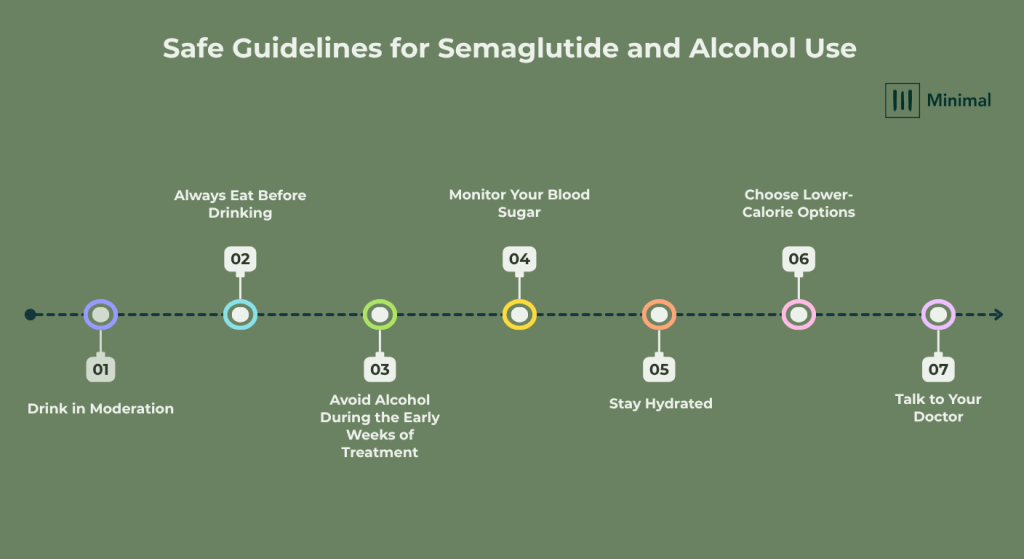
While the research is evolving, there are practical, evidence-based guidelines that you can follow if you choose to drink while on semaglutide. None of the major semaglutide prescribing labels explicitly prohibit alcohol, but healthcare providers consistently recommend moderation and caution.
1. Drink in Moderation
Moderation is generally defined as one standard drink per day for women and two for men. A standard drink is 5 oz of wine, 12 oz of regular beer, or 1.5 oz of distilled spirits. Staying within these limits significantly reduces the risk of blood sugar disruptions, amplified GI side effects, and dehydration.
2. Always Eat Before Drinking
Since semaglutide slows gastric emptying, drinking on an empty stomach can cause alcohol to hit your system faster and harder than expected. Eating a balanced, moderate-fat meal before drinking provides a buffer and reduces the likelihood of nausea, dizziness, and hypoglycemia.
3. Avoid Alcohol During the Early Weeks of Treatment
The first weeks of semaglutide treatment are when side effects are typically strongest. Your body is adjusting to slowed digestion, appetite changes, and potential nausea. Adding alcohol during this period may dramatically worsen symptoms and increase the risk of dehydration. Once your dose has stabilized and side effects have settled, your healthcare provider can advise whether occasional moderate drinking is appropriate for your situation.
4. Monitor Your Blood Sugar
If you have type 2 diabetes and are using semaglutide as part of your management plan, monitoring your blood glucose before, during, and after drinking is essential. Keep fast-acting carbohydrates such as glucose tablets on hand. Inform someone you trust that you are monitoring for hypoglycemia so they can assist if needed.
5. Stay Hydrated
Drink water alongside any alcoholic beverages to counteract alcohol’s diuretic effect. Staying hydrated is especially important for semaglutide users who already experience some degree of GI side effects. Alternating between water and your alcoholic drink of choice is a simple and practical strategy.
6. Choose Lower-Calorie Options
Alcohol is calorically dense and can undermine your weight loss goals. Sugary cocktails, sweet wines, and heavy beers can add significant calories and cause blood glucose spikes. Opt for lower-sugar options such as dry wine, light beer, or spirits with soda water. As highlighted in Minimal’s semaglutide before and after journey resource, managing lifestyle factors alongside medication is what drives sustainable weight loss outcomes.
7. Talk to Your Doctor
Every individual’s response to semaglutide and alcohol is different. Factors such as your dose, your overall health status, whether you have diabetes, and your personal history with alcohol all influence how safe it is for you to drink. Your prescribing physician or care team is the most reliable source of guidance for your specific situation.
Special Considerations: When to Completely Avoid Alcohol on Semaglutide
There are circumstances where healthcare providers may advise completely avoiding alcohol while on semaglutide:
- You are in the early dose titration phase and experiencing significant nausea or GI upset.
- You have a personal or family history of pancreatitis.
- Your diabetes is not well controlled and blood sugar levels are unstable.
- You have a history of alcohol use disorder or binge drinking.
- You are taking additional medications that interact with both semaglutide and alcohol.
- You have elevated triglycerides or liver disease.
It is also important to note that semaglutide is not safe during pregnancy. If you are pregnant or planning to become pregnant, semaglutide should be discontinued. For more information on managing semaglutide use around pregnancy, visit Minimal’s detailed guide on semaglutide and pregnancy safety, risks, and when to stop.
Get Personalized Guidance on Semaglutide and Your LifestyleMinimal’s expert care team provides ongoing support, regular check-ins, and personalized plans to help you navigate your weight loss journey including lifestyle questions like alcohol use. Start for as low as $49 your first month.Schedule Your Free Medical Evaluation Today
Practical Tips for Managing Semaglutide and Alcohol Nausea
If you have already experienced semaglutide and alcohol nausea, here are some strategies to help you recover and prevent it from happening again:
- Rest and allow your stomach to settle. Avoid rich or fatty foods until the nausea passes.
- Sip clear fluids such as water or electrolyte drinks to stay hydrated.
- Ginger tea or ginger chews can help soothe an upset stomach.
- Avoid lying flat immediately after drinking, as this can worsen nausea.
- Consider over-the-counter antinausea options such as dimenhydrinate, but always check with your doctor or pharmacist for compatibility.
- Most importantly, take note of how your body responded so you can adjust your future alcohol intake accordingly.
If you experience severe or prolonged nausea, vomiting that does not resolve within a few hours, signs of pancreatitis (severe abdominal pain radiating to the back), or symptoms of hypoglycemia that do not improve with food, seek medical attention promptly.
Conclusion
The relationship between alcohol and semaglutide is layered. While there is no absolute prohibition against moderate alcohol consumption while taking semaglutide, the interaction between the two can amplify GI side effects, disrupt blood sugar regulation, increase dehydration, and elevate the risk of pancreatitis in susceptible individuals. Semaglutide and alcohol side effects are most pronounced during the early phases of treatment and for those who drink heavily or in excess.
On the positive side, emerging research paints a surprisingly hopeful picture: semaglutide may actually help reduce alcohol cravings and heavy drinking behavior, potentially offering a new therapeutic tool for individuals struggling with alcohol use disorder. Yale researchers have also highlighted possible liver-protective effects of GLP-1 receptor agonists during alcohol consumption.
If you are on semaglutide and want to enjoy an occasional drink, the guidance is clear: drink in moderation, always eat first, stay hydrated, monitor your blood sugar if applicable, and consult your healthcare provider. Taking these precautions will allow you to protect your health and your weight loss progress at the same time.
Frequently Asked Questions
1. Can I drink alcohol while taking semaglutide?
Yes, moderate alcohol consumption is generally not strictly prohibited while taking semaglutide, as there is no specific FDA label warning against it. However, combining alcohol with semaglutide can worsen nausea, disrupt blood sugar levels, and increase dehydration risk. Moderation and caution are strongly advised, and you should always discuss your specific situation with your healthcare provider.
2. Why does alcohol make me feel sicker when I’m on semaglutide?
Semaglutide slows gastric emptying, meaning alcohol moves through your digestive system more slowly and may feel stronger than usual. It also intensifies existing GI side effects such as nausea, vomiting, and bloating. This combination of delayed absorption and amplified side effects is why so many people report semaglutide and alcohol nausea.
3. Can semaglutide help reduce alcohol cravings?
Emerging research strongly suggests it might. A randomized clinical trial published in JAMA Psychiatry found that once-weekly semaglutide injections significantly reduced alcohol cravings, drinking episodes, and heavy drinking days in adults with alcohol use disorder. A large real-world study in Nature Communications also found semaglutide was associated with lower incidence and recurrence of alcohol use disorder. While semaglutide is not yet FDA-approved for AUD, these findings are promising.
4. What are the biggest risks of mixing alcohol and semaglutide?
The main risks include worsened nausea and vomiting, hypoglycemia (especially for those using it for diabetes management), increased dehydration, heightened effects of alcohol due to slowed gastric emptying, and an elevated risk of pancreatitis in those who drink heavily or have a history of pancreatic conditions.
5. How long should I wait after taking semaglutide before drinking alcohol?
Semaglutide is a once-weekly injectable, so there is no specific timing window to wait unlike some oral medications. However, it is always a good idea to avoid alcohol when your semaglutide side effects are at their peak, which is typically in the first 24 to 48 hours after an injection for some users. Consult your healthcare provider for personalized timing guidance.
6. What types of alcohol are safest to drink on semaglutide?
Lower-sugar, lower-calorie options are generally preferable. Dry wine, light beer, or spirits mixed with soda water or plain water tend to have less impact on blood sugar and overall caloric intake. Avoid sugary cocktails, sweet wines, and heavy craft beers that can cause blood sugar spikes and add significant calories that work against your weight loss goals.